



Ross Benjamin on 'The Director' (Nominated for the International Booker Prize-2026)



"Welcome to Harshaneeyam!
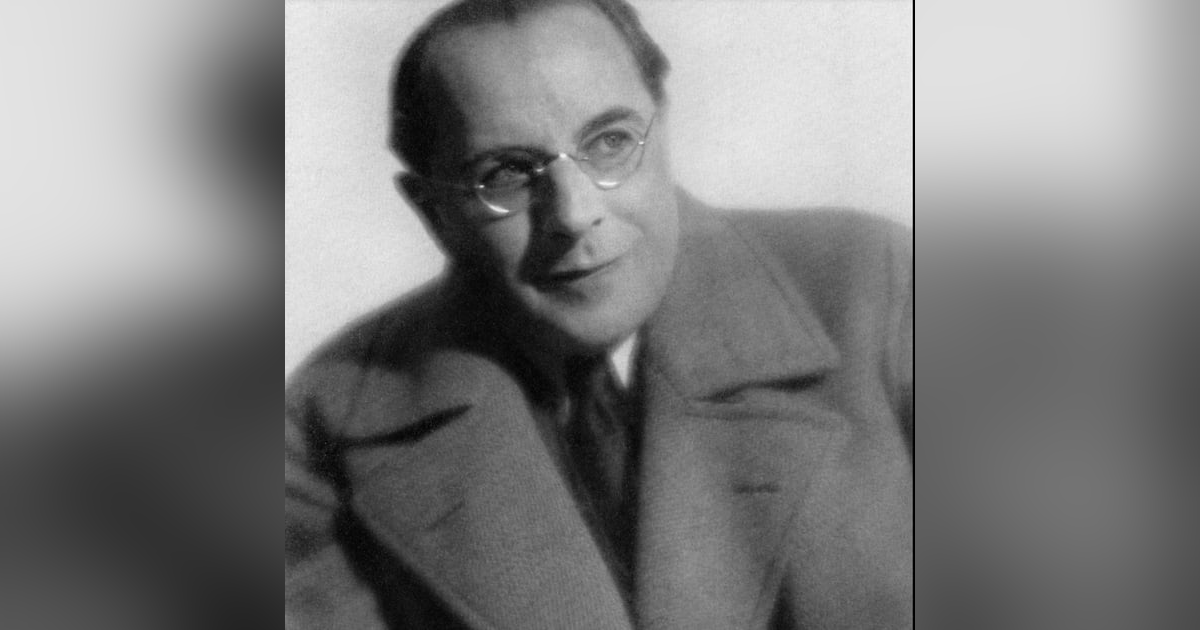
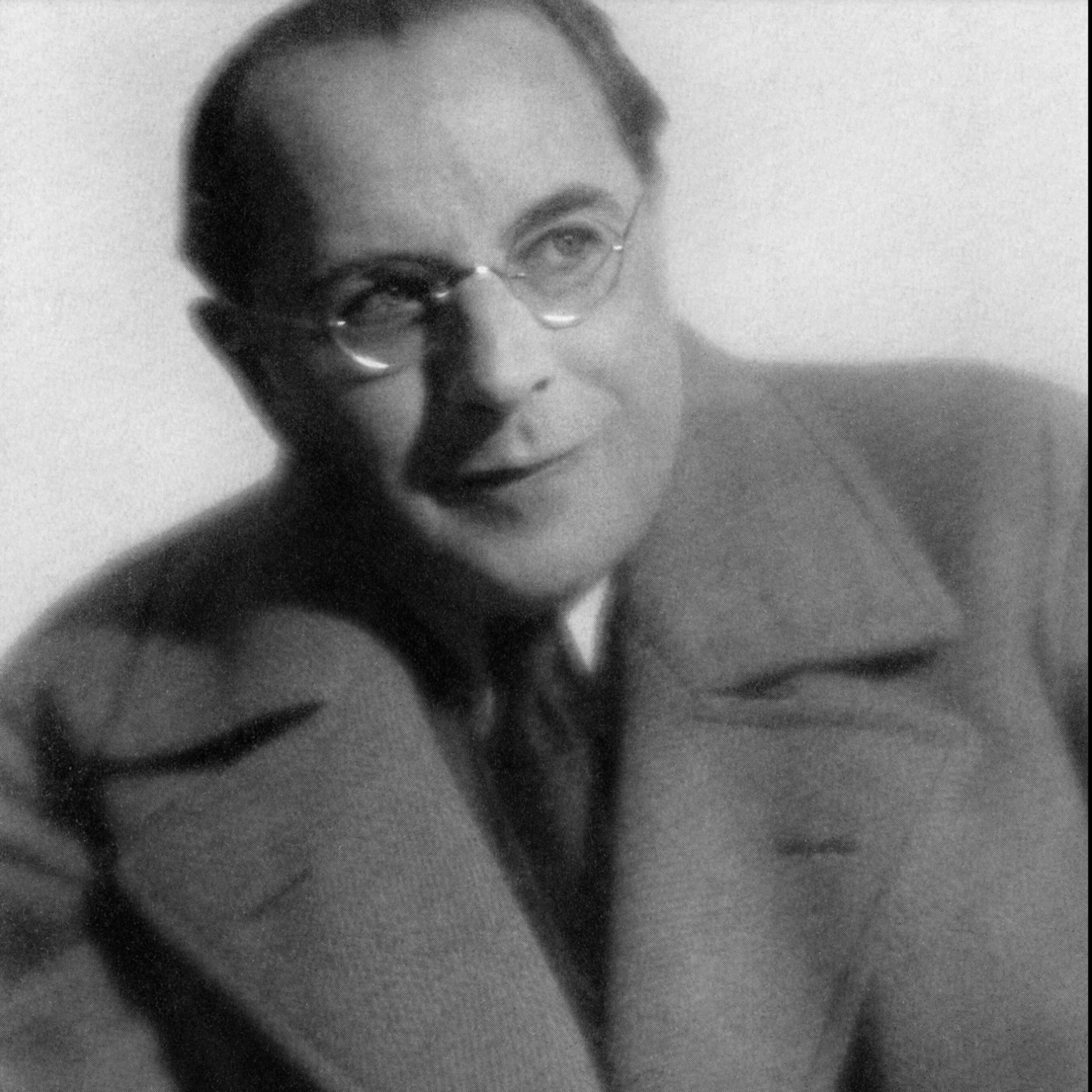
"Can a work of art ever truly be washed clean of the hands that funded it? Is it possible to create a masterpiece in the shadow of a monster? Today, we are exploring these haunting questions through the lens of The Director—the latest novel by the brilliant German author Daniel Kehlmann. Set against the harrowing backdrop of the late 1930s and 1940s, the story follows the legendary film director G.W. Pabst as he returns to Nazi-occupied Austria.
Pabst finds himself ensnared by the propaganda machine of Joseph Goebbels, the Nazi Minister of Enlightenment and Propaganda, who wielded absolute control over the German press and arts to serve the regime’s twisted ideology. Pabst believes his creative genius can transcend such a system, but at what cost?
Upon its original release in Germany under the title Lichtspiel, the novel became an immediate sensation, sparking intense literary debates about the moral compromises of artists during the Third Reich. This buzz has only grown as the book enters the global stage, with the English edition published in the year 2025. Now, having been shortlisted for the International Booker Prize 2026, the novel stands as one of the most anticipated and discussed works of contemporary fiction."
Joining me today is the man who brought this intricate, tonal masterpiece into English: the award-winning translator Ross Benjamin. We discuss the 'moral acrobatics' of the artist and the 'tonal agility' required to translate one of the most important voices in contemporary German literature. This is a conversation about light, shadow, and the high cost of staying silent."
We believe that every great book is an invitation to a new world. Harshaneeyam serves as your gateway to these contemporary global masterpieces, connecting you with the authors and translators who shape our literary landscape.
If you enjoy Harshaneeyam please follow the show on Apple, Spotify, or your favourite podcasting platform and leave a review for us. It will help truly help us; and don't forget to Share our podcast link with your other friends who enjoy similar content.
To help us provide even more value, head over to our website www.harshaneeyam.com to complete our brief Listener Survey. Your feedback is the secret ingredient that helps us improve and create content tailored to your interests!
The Versatility of Kehlmann’s Voice
One of the most striking aspects of Daniel Kehlmann’s writing is his ability to shift registers with surgical precision. Ross Benjamin notes that as a translator, the greatest challenge—and thrill—is capturing Kehlmann’s "tonal range and agility." In The Director, the narrative moves seamlessly from the slapstick humor of a film set to the chilling, quiet terror of a propaganda ministry.
Kehlmann’s work is characterized by a "light touch." He avoids the heavy-handedness often found in historical fiction, opting instead for a style that is "sly and inventive." Whether he is writing about the magical realism of Tyll or the cinematic obsession in 'The Director' Kehlmann manages to be intellectually serious without ever losing his propulsive, vivid storytelling.
Cinema and the Shadow of Propaganda
The Director follows the life of the legendary film director G.W. Pabst. After a failed stint in Hollywood, Pabst finds himself back in Nazi-occupied Austria. The novel explores the "adventure of not-knowing"—the tragic delusion that an artist can separate their craft from the political machine surrounding them.
Ross Benjamin explains that the novel is not just a biography; it is a meditation on the "moral issues" of creation. Pabst believes he can make a masterpiece even under the watchful eye of Joseph Goebbels. The Original German Title Licht Speil - "light play" refers not just to the flicker of the film projector, but to the deceptive game the artist plays with a monstrous regime.
The Challenge for the Translator
Translating a work of this magnitude requires more than just bilingual fluency; it requires a deep understanding of historical subtext. Ross Benjamin discusses the difficulty of translating the "Propaganda Deutsch" of the era—a language designed to obfuscate and control.
"There’s a specific humor in Kehlmann," Ross shares. "It’s often found in the absurdity of the situations." In one scene discussed during the podcast, a group of officials descends on a film set, and the dialogue shifts into a terrifyingly polite, yet deadly, exchange. Capturing that "mask of civility" in English while maintaining the underlying threat is the "invisible labor" of the translator.
Why ‘The Director’ Matters Today
As ‘The Director’ makes its way to the International Booker Prize shortlist, its relevance is undeniable. It asks a question that resonates in every era: What is the cost of staying silent? Through the lens of 1940s cinema, Kehlmann and Benjamin provide a mirror to our own world, exploring how easily "art for art's sake" can be weaponized by those in power.
For listeners of Harshaneeyam, this interview is a deep dive into the "Philosophy of Translation" and the meticulous craft required to bring a German masterpiece into the global literary consciousness.
About the Author & Translator
Daniel Kehlmann Daniel Kehlmann is one of the most successful contemporary German-language authors. Born in Munich in 1975, he rose to international fame with his 2005 novel Measuring the World (Die Vermessung der Welt), which became one of the biggest-selling German novels since WWII. His works frequently blend historical fact with magical realism and philosophical inquiry. He has received numerous awards, including the Kleist Prize and the Thomas Mann Prize. His previous collaboration with Ross Benjamin on the novel Tyll was also a global sensation and a finalist for the International Booker Prize.
Ross Benjamin Ross Benjamin is an award-winning translator of German literature based in the United States. His translations include works by Franz Kafka, Friedrich Hölderlin, and Joseph Roth. He is perhaps best known for his definitive translation of The Diaries of Franz Kafka, which was hailed for its faithfulness to Kafka’s original, unedited prose. Benjamin’s work is noted for its linguistic sensitivity and his ability to capture the specific "musicality" of German authors. He is a recipient of a Guggenheim Fellowship and the Helen and Kurt Wolff Translator's Prize.
The Director' in press -
A Times Literary Supplement Book of the Year 2025
A New York Times Notable Book of 2025
A Telegraph Book of the Year 2025
A Guardian Book of the Year 2025
An Observer Book of the year 2025
* Please complete Harshaneeyam Listener Survey using the link below.
It would be lovely to have your feedback.
Your feedback will help us improve -
https://www.harshaneeyam.com/survey/Listener/
***Disclaimer: The views and opinions expressed by Interviewees in interviews conducted by Harshaneeyam Podcast are those of the Interviewees and do not necessarily reflect the official policy or position of Harshaneeyam Podcast. Any content provided by Interviewees is of their opinion and is not intended to malign any religion, ethnic group, club, organization, company, individual, or anyone or anything.
This podcast uses the following third-party services for analysis:
Podtrac - https://analytics.podtrac.com/privacy-policy-gdrp