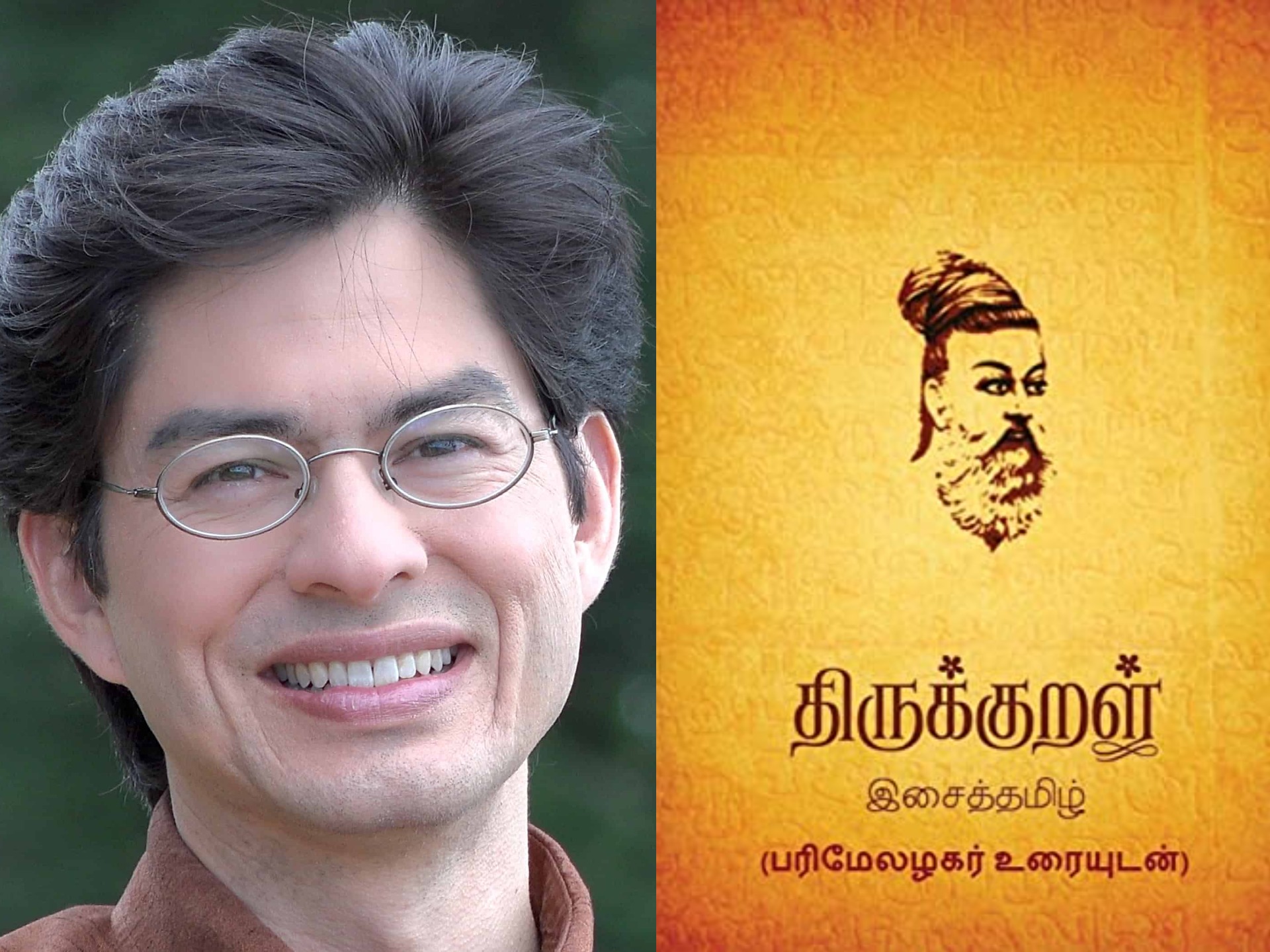
The Unforeseen Path: How a Chance Encounter Led Thomas Pruiksma to Tamil Poetry
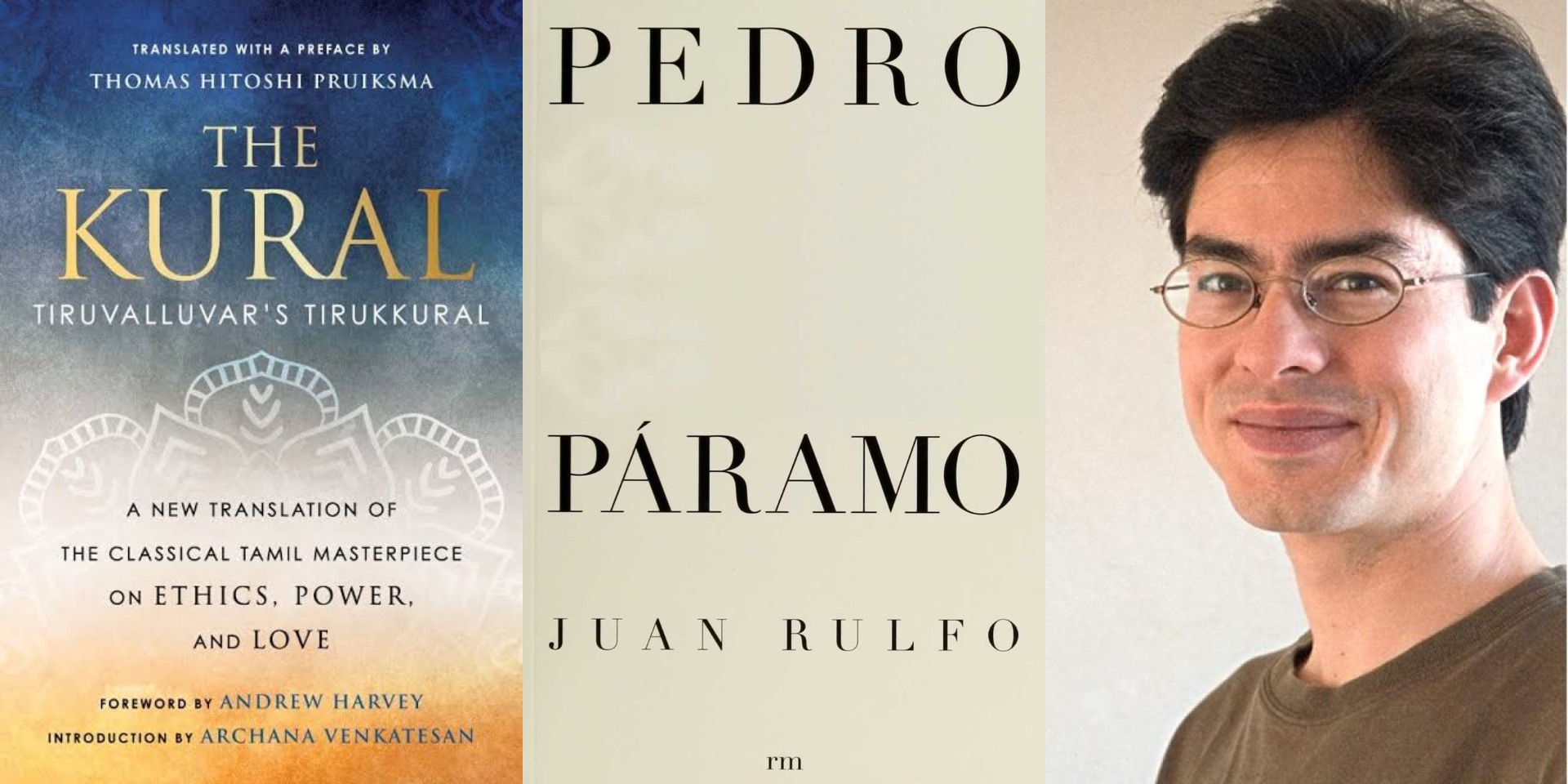
Discover how a planned study abroad in Mexico took an unexpected turn, leading writer and translator Thomas Hitoshi Pruiksma to Madurai and a profound immersion into the Tamil language and its ancient poetic traditions. This post explores the pivotal moments and personal philosophies that shaped his unique literary journey.
Key Takeaways
- Thomas Pruiksma's journey into Tamil was not planned but a result of a serendipitous detour from a planned study in Mexico.
- An apprenticeship with Dr. K. V. Ramakoti in Madurai was a turning point, guiding him from spoken Tamil to classical Sangam poetry and the Tirukkural.
- Learning Tamil profoundly altered his perception of the world, highlighting the interconnectedness of language and worldview.
- Translation was an "inner necessity" born from a deep love for Tamil literature, rather than a calculated career choice.
- The influence of teachers and mentors played a crucial role in his development as a translator and writer.
Serendipity and the Call of Tamil
When Thomas Hitoshi Pruiksma embarked on his international studies in 1998, his sights were set firmly on Mexico. The plan was to delve into Spanish language and ecological ethics. However, as fate, or perhaps a more profound calling, would have it, his path veered sharply eastward, landing him in Madurai, Tamil Nadu, India. This unexpected detour, a twist of fate that he himself describes as almost accidental, would become the genesis of a lifelong dedication to the Tamil language and its rich literary heritage.
The initial intention to study Spanish was a clear academic pursuit, but Madurai offered an entirely different, and ultimately more transformative, educational experience. It was there that Pruiksma encountered Dr. K. V. Ramakoti, a mentor whose influence proved to be a watershed moment. Under Dr. Ramakoti's guidance, Pruiksma's engagement with Tamil deepened dramatically. It moved beyond mere linguistic acquisition to an immersion into the very soul of the language, opening doors to the ancient world of Sangam poetry, the timeless wisdom of Avvaiyar, and the profound ethical philosophy encapsulated in the Tirukkural.
This transition from a planned academic trajectory to an unplanned, yet deeply resonant, linguistic and literary exploration highlights a core theme in Pruiksma's life: the power of serendipity and the importance of being open to unexpected opportunities. It wasn't a strategic career move; it was a profound personal connection forged with a language and its literature that would shape his identity and his life's work.
From Spoken Word to Ancient Verse
Pruiksma's entry into the Tamil language was not a top-down, academic dissection, but a bottom-up immersion, starting with the spoken word. Madurai, a vibrant cultural hub, provided the perfect environment for this organic learning process. However, the real transformative leap occurred when his focus shifted from colloquial Tamil to its classical literary forms. This transition wasn't initiated by Pruiksma's academic ambition alone, but significantly by the patient and insightful guidance of his teacher, Dr. K. V. Ramakoti.
Dr. Ramakoti recognized in Pruiksma a genuine passion and a deep capacity for understanding. He began to gently steer him towards the ancient poetic traditions that form the bedrock of Tamil literature. Sangam poetry, a corpus of classical Tamil literature dating back to between 300 BCE and 300 CE, offered Pruiksma a glimpse into a world of sophisticated artistry, complex emotional landscapes, and a unique worldview. This was followed by an introduction to the works of Avvaiyar, a revered female poet whose ethical poems and proverbs have resonated through centuries, and most notably, the Tirukkural, attributed to the philosopher-saint Tiruvalluvar.
The journey into these classical texts was not merely an academic exercise in understanding ancient literature. For Pruiksma, it was a profound engagement that reshaped his cognitive and perceptual frameworks. He speaks of how learning Tamil, particularly its classical forms, altered the very way he perceives the world. This is a testament to the idea that language is not just a tool for communication, but a lens through which we experience reality. The nuanced expressions, the cultural contexts embedded within the words, and the philosophical underpinnings of Tamil literature provided him with a new way of seeing, understanding, and interacting with the world around him.
The "Inner Necessity" of Translation
Thomas Pruiksma's foray into translation was not born out of a strategic career plan or an ambition to become a literary translator. Instead, he describes it as an "inner necessity." This phrase encapsulates a deep, almost involuntary urge to share the profound beauty and wisdom he discovered in Tamil literature with a wider audience. Having fallen in love with the poems, the stories, and the philosophical insights, he felt an intrinsic need to bridge the linguistic and cultural gap, to carry these gems across worlds so that others might also experience their magic.
This profound sense of calling is particularly evident in his twelve-year endeavor to translate the Tirukkural. This wasn't a project he rushed into. It was a patient, devotional process, nurtured by his teacher's quiet encouragement and his own deepening connection to the text. The Tirukkural, with its universal ethical teachings and poetic brilliance, presented a formidable challenge, but also an unparalleled opportunity to translate not just words, but a worldview, a philosophy of living that has endured for millennia.
Pruiksma’s approach to translation is deeply personal and informed by his experience as a writer and poet himself. He doesn't see translation as a mechanical transfer of meaning, but as a creative act of re-imagination. It involves understanding the spirit, the rhythm, and the cultural resonance of the original text and finding equivalent expressions in the target language. His work, like his translation of Avvaiyar's poems titled "Give, Eat, and Live," and his celebrated rendering of the Tirukkural, published by Beacon Press and honored with Tamil Nadu's Ancient Tamil Literature Promotion Award, demonstrates a remarkable ability to capture the essence of the original while creating works that stand on their own literary merit.
This dedication to translation as an "inner necessity" also extends to his engagement with contemporary Tamil writers, such as Perumal Murugan. It underscores his commitment to the ongoing vitality of Tamil literature, recognizing that its journey is not confined to ancient texts but continues to evolve and inspire in the modern era. His work serves as a vital conduit, ensuring that the literary richness of Tamil continues to find new readers and new appreciations globally.
The Power of Mentorship and Patient Guidance
The narrative of Thomas Pruiksma's literary journey is deeply interwoven with the impact of his mentors, most notably Dr. K. V. Ramakoti. Pruiksma's experience underscores a powerful truth: profound learning and artistic development often thrive under the tutelage of wise and patient guides who recognize potential and nurture it without imposition.
Dr. Ramakoti's role extended far beyond that of a typical language instructor. He acted as a cultural and literary compass, patiently nudging Pruiksma towards the treasures of Tamil literature. The twelve years it took for Pruiksma to embark on translating the Tirukkural is a testament to this patient, organic approach. Dr. Ramakoti did not dictate the timeline or the task; he cultivated the understanding, the respect, and the readiness within Pruiksma, allowing the translation to emerge from a place of deep readiness rather than external pressure. This mirrors Pruiksma's own appreciation for one-on-one teaching, where tailored guidance can unlock unique potentials.
This emphasis on mentorship highlights a crucial aspect often overlooked in modern educational paradigms that lean towards mass instruction. Pruiksma's journey suggests that for certain kinds of deep learning, particularly in the humanities and arts, personalized attention and the cultivation of a student's intrinsic motivation are paramount. The relationship between Pruiksma and Dr. Ramakoti exemplifies how a mentor can illuminate paths the student might not have discovered independently, fostering not just skills but a profound love and devotion to the subject matter.
Beyond his direct mentorship, Pruiksma's dedication to translating and sharing Tamil literature also reflects a broader commitment to cultural exchange. By bringing Avvaiyar's poems and Tiruvalluvar's Kural to an English-speaking audience, he acts as a cultural conduit, fostering understanding and appreciation for a tradition that might otherwise remain inaccessible. His work, therefore, not only benefits from strong mentorship but also contributes to the vital process of cross-cultural literary dialogue.
For anyone embarking on a path of learning a new language, delving into a rich literary tradition, or pursuing a creative endeavor, Pruiksma's story offers a compelling reminder of the value of patient guidance, the serendipity of discovery, and the transformative power of finding one's "inner necessity."
To delve deeper into Thomas Pruiksma's fascinating literary journey, the nuances of his translation philosophy, and the impact of Tamil on his worldview, we highly recommend listening to the full episode. Listen to the full episode for a comprehensive and inspiring conversation.
Frequently Asked Questions
What were Thomas Pruiksma's initial academic intentions before discovering Tamil literature?
Thomas Pruiksma initially intended to study Spanish and ecological ethics during his time abroad, with his sights set on Mexico.
How did Dr. K. V. Ramakoti influence Pruiksma's literary path?
Dr. K. V. Ramakoti served as Pruiksma's pivotal mentor in Madurai, guiding him from spoken Tamil to the depths of Sangam poetry, Avvaiyar, and the Tirukkural, fundamentally reshaping his life and literary focus.
What motivated Thomas Pruiksma to translate Tamil works?
Pruiksma describes his motivation for translation as an "inner necessity" – a deep-seated urge to share the profound beauty and wisdom of Tamil literature with a broader audience, stemming from his personal love for the texts.
How long did it take Thomas Pruiksma to translate the Tirukkural?
The translation of the Tirukkural was a long and patient endeavor for Pruiksma, taking approximately twelve years from conception to completion.

Grassroots Literacy: How to Build a Community Library Without a Building