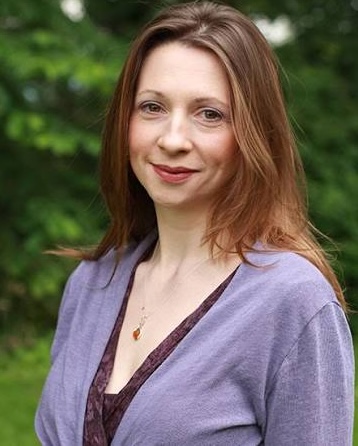
Embracing 'Not-Knowing': Ann Morgan's Strategy for Deeper Literary Engagement
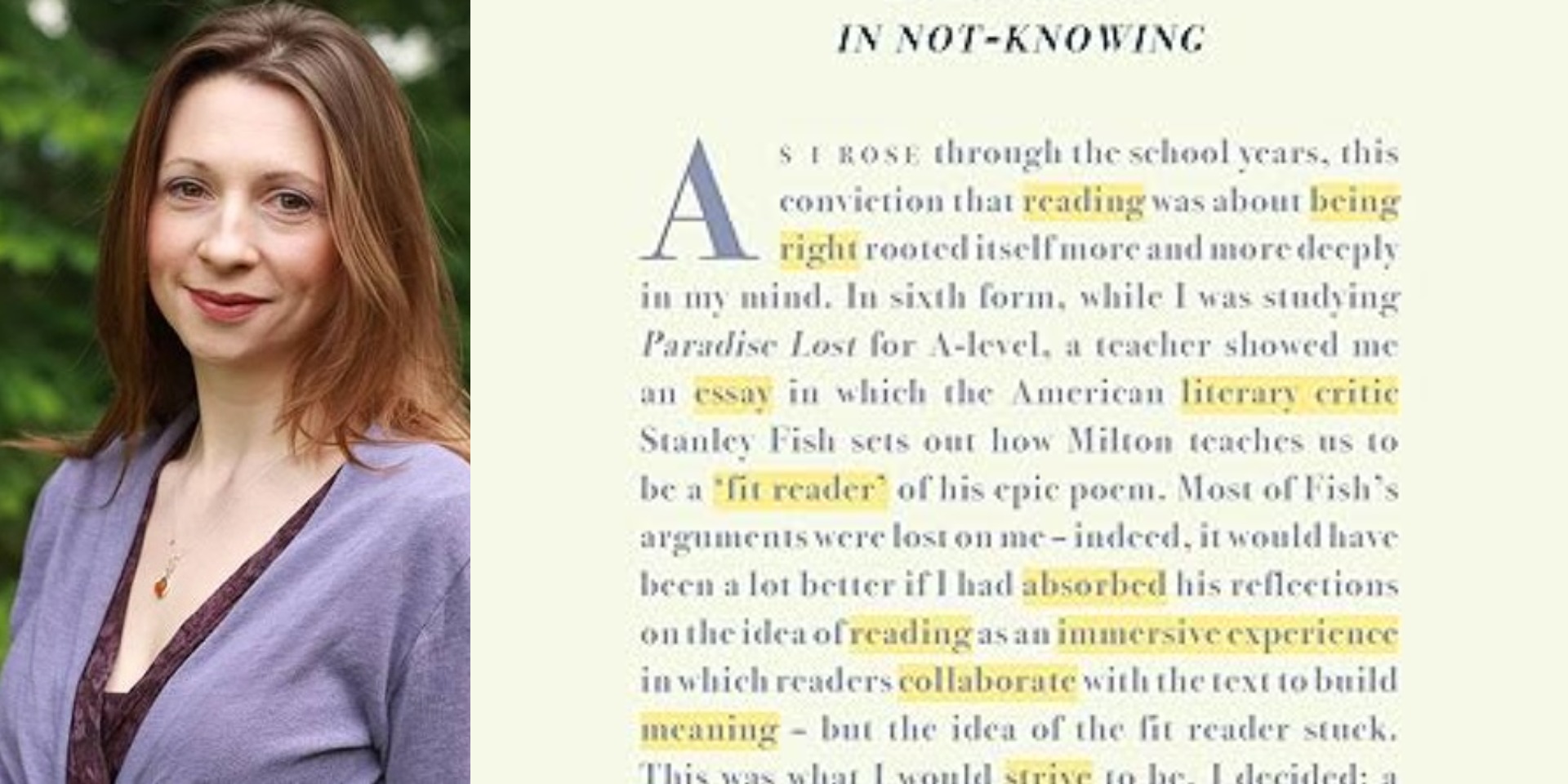
Relearning to Read: Ann Morgan's Adventures in Not-Knowing
Discover Ann Morgan's revolutionary approach to reading: embracing 'not-knowing' as a path to deeper literary understanding. This post explores how admitting our limitations can unlock richer engagement with global literature, moving beyond surface-level comprehension to a more profound appreciation of diverse voices and narratives.
Key Takeaways
- True literary exploration requires embracing incomprehension, not fearing it.
- Admitting we don't understand is the first step to genuine learning and discovery.
- This 'not-knowing' mindset fosters humility and openness to new perspectives.
- It encourages active engagement and seeking out diverse, unfamiliar literatures.
- Widening our reading horizons necessitates comfort with ambiguity and complexity.
- The idea grew out of Morgan's Incomprehension Workshop, which she has run with readers around the world since 2021.
- It is now a full-length book, Relearning to Read: Adventures in Not-Knowing, published by Renard Press.
- Each of its twelve chapters uses a single unfamiliar text to explore a different question — about authenticity, humour, censorship, taste and more.
The Challenge of Global Literature
In an era where information is abundant, we often feel pressured to know, understand, and have an opinion on everything. This extends to our reading habits. Many approach literature with the expectation of immediate comprehension, seeking comfort and familiarity. However, as Ann Morgan eloquently argues in her work, particularly in her book 'Relearning to Read: Adventures in Not-Knowing,' this mindset can significantly limit our literary horizons. The vastness of global literature is an undeniable reality. No single individual can possibly claim expertise in every language, culture, or literary tradition. To truly engage with works from across the world, we must first confront and accept our inherent limitations – the state of 'not-knowing.'
Ann Morgan's journey, which began with her ambitious project to read a book from every country, highlights this very challenge. It wasn't about instantly understanding every nuance, but about the process of exploration. She realized that the discomfort of encountering unfamiliar styles, themes, or cultural contexts wasn't a barrier to be overcome, but an invitation. An invitation to learn, to question, and to grow. This willingness to sit with uncertainty, to acknowledge that we don't have all the answers immediately, is what allows for a more authentic and enriching reading experience. It shifts the focus from passive consumption to active engagement, transforming reading from a task of acquisition into an adventure of discovery.
It's worth pausing on where this insight actually came from, because it wasn't a purely theoretical position Morgan arrived at from an armchair. During her original year-long project in 2012, she found that the reading habits that had served her perfectly well for the first three decades of her life simply stopped working. She had built her reading identity, as she has described it, on being “clever about books” — using context, allusion and prior knowledge to draw out rich insights and make satisfying connections. That approach depends entirely on already knowing a great deal about the world a book comes from. The moment she was faced with a novel from Turkmenistan, or a memoir from Nauru, or fiction shaped by oral storytelling traditions she had never encountered, that old toolkit became close to useless. She either had to abandon the books, or find a new way of reading them. She chose the second option, and the version of “relearning to read” she has since built into a book and a decade of workshops is really the record of that choice.
Making Friends with Incomprehension
The concept of 'making friends with our own incomprehension' is central to Ann Morgan's philosophy. It's a powerful reframing of what can often feel like a personal failing. Instead of viewing a lack of immediate understanding as a sign of inadequacy, Morgan suggests we see it as an opportunity. This requires a significant shift in perspective, moving away from the desire for mastery and towards a spirit of curiosity. When we encounter a passage, a character, or a cultural reference that baffles us, our initial instinct might be to put the book down or to look for an easy explanation. However, Morgan encourages us to pause. To ask ourselves: What is it about this that I don't understand? What assumptions am I bringing to this text? What cultural context might I be missing?
This process is not about dwelling in confusion, but about using that confusion as a catalyst for deeper inquiry. It's about recognizing that literature, especially translated literature, is often a bridge to worlds and experiences vastly different from our own. To expect instant understanding is, in a way, to flatten the richness and complexity of those experiences. By embracing 'not-knowing,' we cultivate a sense of humility. We acknowledge that our own perspective is just one among many. This humility opens us up to truly listening to the voices within the text, rather than imposing our pre-existing frameworks upon them. It's an active stance, requiring patience and a willingness to be uncomfortable, but the rewards – a broadened worldview and a more profound connection to humanity – are immense.
Morgan didn't develop this idea alone in her study, either. Since 2021 she has been running what she calls the Incomprehension Workshop with readers around the world, testing and refining the approach in real conversations rather than in isolation. The workshop takes a text that is likely to sit well outside the comfort zone of most English-language readers, and instead of trying to explain it away or supply the missing context up front, it asks participants to sit with their confusion together and interrogate it out loud. What emerges, again and again, is that the gaps two different readers stumble over are rarely the same gaps — which is itself a useful lesson, since it shows how much of “understanding” a text is really just a private negotiation between the reader's own assumptions and the page in front of them.
The Book Behind the Idea
That decade of workshops eventually became Relearning to Read: Adventures in Not-Knowing, Morgan's second full-length work of non-fiction, published by the independent UK press Renard Press. The book arrived in two stages — a special Renard Press collector's edition first, followed by the wider paperback and ebook release — and its structure mirrors the workshop method directly. It is built from twelve short chapters, each one anchored to a single text likely to be unfamiliar to most English-language readers, and each one using that text as a springboard into a different big question: what actually counts as authenticity in a story? What makes something funny across a cultural divide? How does censorship reshape the way a book gets written, and the way it gets read? And, perhaps most fundamental of all, what is it that makes us like a book in the first place — and how much of that liking is really about the book, versus about us?
Woven through these chapters are some of the readers, writers and translators Morgan has met over more than a decade of running her blog and her workshops, including a writer she has repeatedly described as one of her personal heroes: Tété-Michel Kpomassie, the Togolese author best known for his memoir of travelling to and living in Greenland. Their long acquaintance, built up over years of correspondence and conversation rather than a single interview, gives the book a texture that goes beyond literary theory — it reads, in places, as a record of an actual relationship built across a very wide cultural distance, which is precisely the kind of relationship the book is arguing all of us could stand to have more of.
The book has been well received by critics who cover both books-about-books and international literature specifically. A review in the Big Issue described it as an “eye-opening and revelatory” successor to Morgan's original reading project, noting that where the 2012 quest was about expanding her personal horizons, this book pushes the argument further — suggesting that readers don't necessarily need to enjoy or even fully understand a text in order to become better readers, and better people, for having sat with it. Prospect magazine called the book a “genius move,” and other reviewers have praised its combination of erudition, warmth and genuine originality, with more than one describing it as the kind of book that changes how you read afterwards rather than simply telling you what to think about reading.
Strategic Reading Beyond Familiarity
Ann Morgan's approach offers a practical strategy for anyone looking to diversify their reading and engage more meaningfully with international literature. The core idea is to move beyond what is comfortable and familiar. This means actively seeking out authors and works that might challenge our preconceptions and linguistic understanding. It involves a conscious effort to step outside of our literary comfort zones.
Here's how this strategy can be implemented:
- Intentional Selection: Instead of picking books based on bestseller lists or recommendations within our usual cultural sphere, make a deliberate effort to choose works from regions, languages, or traditions you know little about. Explore translated fiction from Africa, Asia, South America, or Eastern Europe.
- Embrace the Translator's Role: Recognize that translated literature comes with an intermediary. The translator's choices shape the reading experience. While you might not always have insight into the original language, appreciating the skill and interpretive decisions of the translator can add another layer of understanding.
- Research Context (When Needed, Not Prescribed): If a particular cultural reference or historical event proves consistently opaque, a brief moment of research can be helpful. However, the key is not to research every detail, which can turn reading into a scholarly exercise. The goal is to use external knowledge as a support, not a crutch, allowing the 'not-knowing' to guide the primary engagement.
- Discuss and Share: Engage in conversations about challenging books. Hearing how others have interpreted or grappled with difficult passages can be incredibly illuminating. Book clubs or online forums dedicated to international literature can be invaluable resources.
- Patience with Nuance: Accept that some of the beauty of literature lies in its subtlety and nuance, which can be hard to grasp across cultural divides. Allow yourself time to sit with these complexities rather than demanding immediate clarity.
This strategic approach transforms reading from a passive pastime into an active, intellectual pursuit. It requires us to be more mindful of our reading process and more open to the learning that comes from encountering the unknown. It's about cultivating a lifelong habit of exploration, where every book offers a potential doorway to a new world, even if that doorway initially appears unfamiliar or slightly ajar.
It is also worth noting what this strategy deliberately does not ask of readers. Morgan is careful, in both the book and the workshop, not to turn “not-knowing” into a new form of gatekeeping or a new performance of virtue — the goal is not to feel guilty about confusion, or to treat every reading session as a moral test. The point is closer to a change of posture: approaching a difficult, unfamiliar text the way you might approach a new acquaintance from an unfamiliar background, with curiosity rather than a checklist of things you're supposed to already know about them.
The Transformative Power of Openness
Ann Morgan's advocacy for 'relearning to read' through embracing 'not-knowing' is more than just a literary technique; it's a philosophy that can profoundly impact our understanding of the world. When we allow ourselves to be vulnerable to incomprehension, we open ourselves up to genuine empathy and connection. Literature, at its best, allows us to step into the shoes of others, to experience their joys, sorrows, and struggles. This is particularly true for translated works, which offer windows into lives and societies far removed from our own.
By consciously engaging with texts that challenge us, we begin to dismantle our own biases and assumptions. We learn that there isn't a single 'correct' way to interpret a story or to view the world. This fosters a more nuanced and tolerant perspective, which is crucial in our increasingly interconnected, yet often polarized, global society. The discomfort that comes with 'not-knowing' can, paradoxically, lead to a deeper sense of belonging. It reminds us of our shared humanity, our common struggles, and our universal capacity for storytelling, even when the specific narrative details are initially unfamiliar. This journey of 'relearning to read' is, therefore, a journey towards greater understanding – not just of literature, but of ourselves and the diverse tapestry of human experience.
Morgan has connected this idea explicitly to the wider world we now read in — a world she has described as one of “surveillance marketing,” where algorithms increasingly try to predict and pre-digest what we'll like before we've even opened a book, quietly narrowing the range of surprise we're ever exposed to. Read against that backdrop, her insistence on sitting with confusion becomes almost a small act of resistance: a refusal to let a recommendation engine decide, in advance, exactly how comprehensible and comfortable a book is allowed to be.
Ann Morgan's insights offer a compelling invitation to approach literature with a renewed sense of wonder and an open mind. It's a call to embrace the unknown as a fertile ground for growth and connection. Listen to the full episode to delve deeper into Ann Morgan's adventurous approach to reading and discover how embracing 'not-knowing' can enrich your own literary journey.
Frequently Asked Questions
What does Ann Morgan mean by 'not-knowing' in reading?
Ann Morgan's concept of 'not-knowing' refers to the active embrace of incomprehension when encountering unfamiliar literature. Instead of fearing or trying to immediately resolve confusion, readers are encouraged to accept this state as an opportunity for deeper learning and genuine engagement with diverse perspectives and cultural contexts.
Where did this idea come from?
The idea grew directly out of Morgan's original 2012 project to read a book from every country in the world, during which her usual, knowledge-based way of reading stopped working on texts she had no cultural context for. She spent more than a decade refining the response to that problem through her Incomprehension Workshop, run with readers internationally since 2021, before turning it into her book Relearning to Read: Adventures in Not-Knowing, published by Renard Press.
What are the benefits of being comfortable with discomfort in reading?
Being comfortable with discomfort allows readers to move beyond their literary comfort zones and explore new genres, authors, and cultures. It fosters humility, openness to different viewpoints, and a more profound appreciation for the complexities of global literature, ultimately leading to a richer and more empathetic reading experience.
How can readers strategically approach global literature using the 'not-knowing' mindset?
Readers can strategically approach global literature by intentionally selecting diverse works, appreciating the role of translators, using minimal context research when truly needed, engaging in discussions with others, and patiently accepting nuance. The key is to prioritize exploration and genuine engagement over immediate, full comprehension.
Is 'relearning to read' a difficult process to adopt?
'Relearning to read' can be a conscious effort, as it requires shifting from familiar habits of seeking immediate understanding to a more open and curious approach. However, by gradually incorporating strategies like diverse selection and embracing ambiguity, readers can cultivate this new mindset over time, making the process rewarding rather than daunting.

Grassroots Literacy: How to Build a Community Library Without a Building