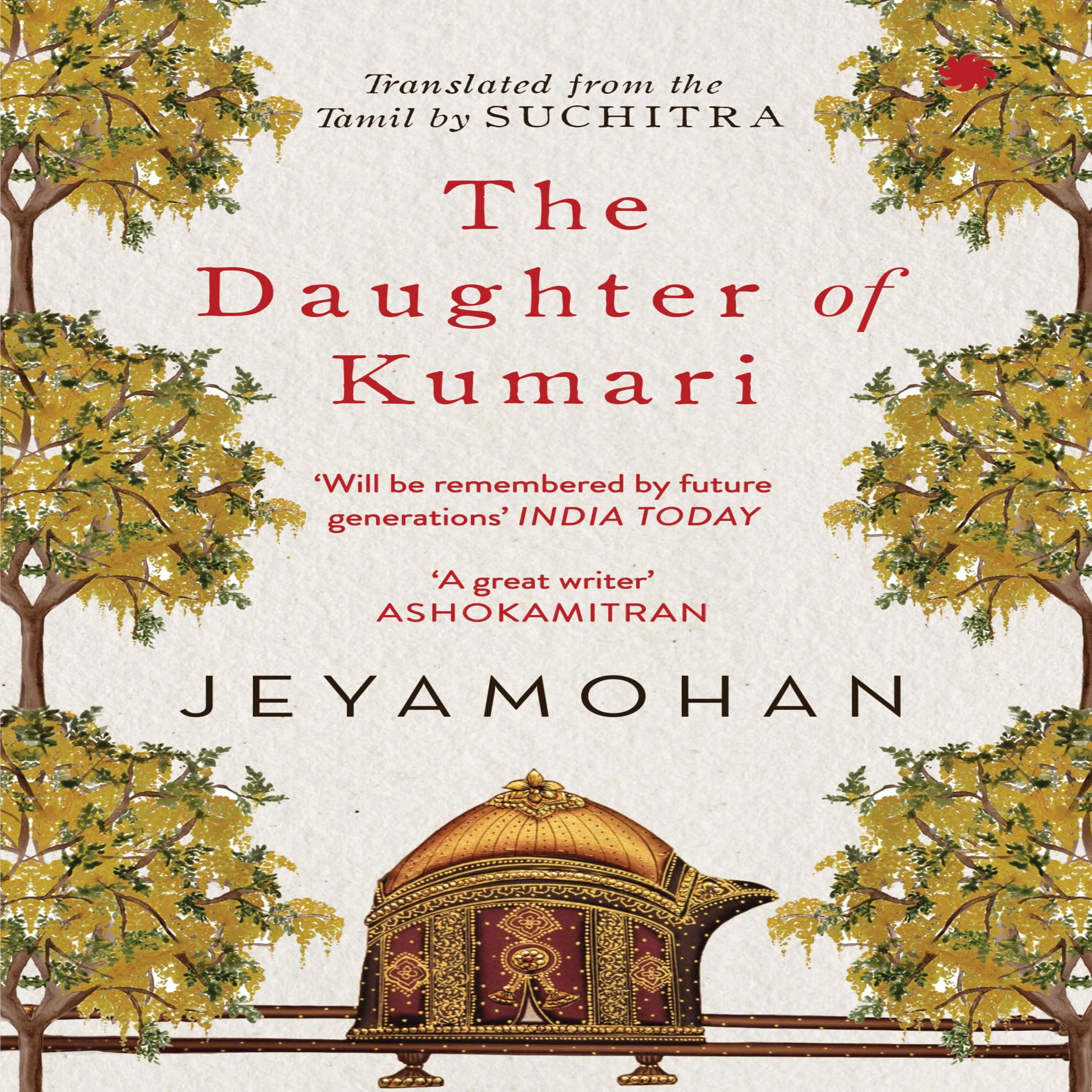
A Deep Dive into The Daughter of Kumari: Myth, Deity, and Migration
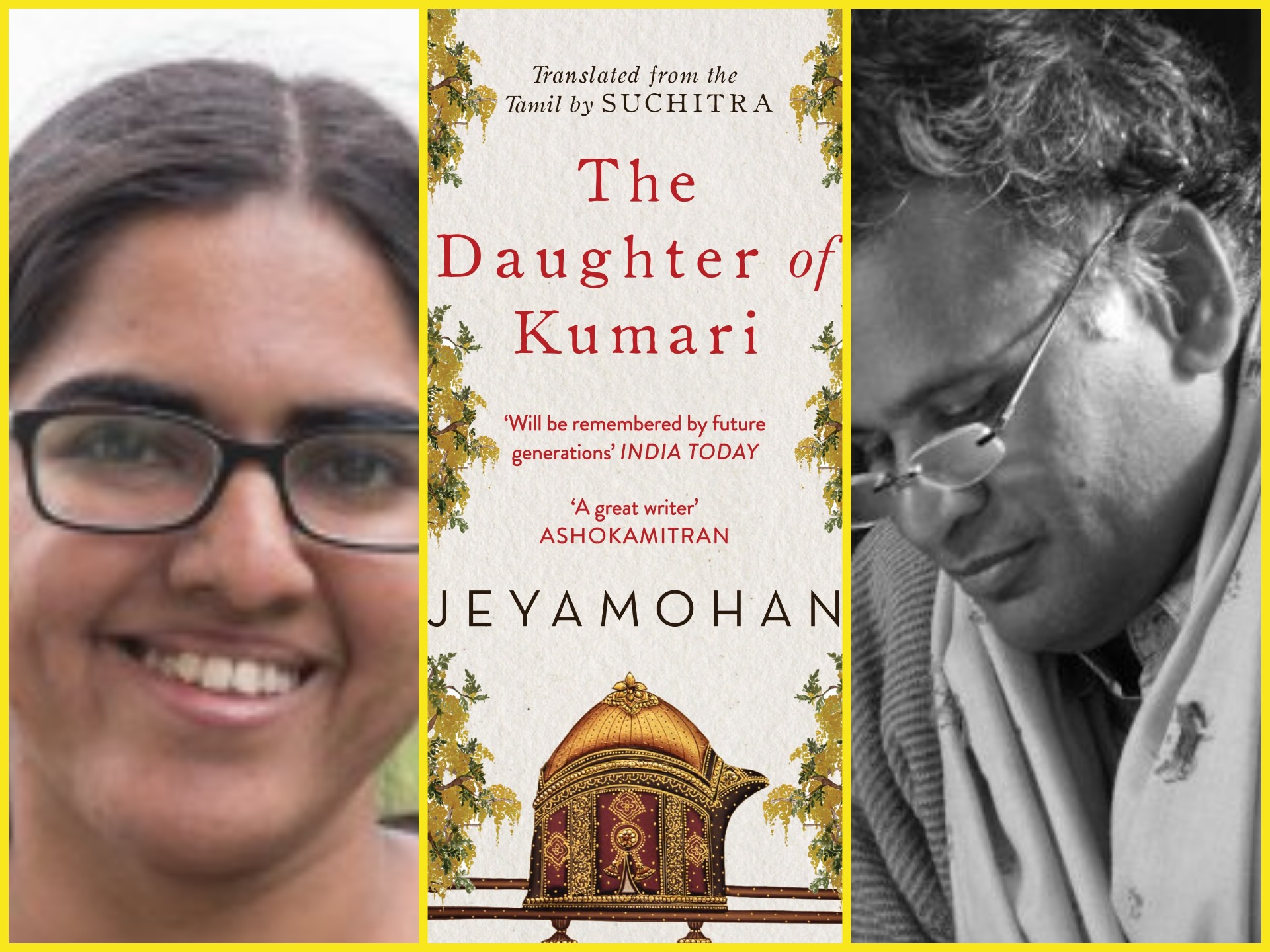
Introduction: Introducing 'The Daughter of Kumari'
Welcome back to the blog, listeners and readers. In this week's discussion, we venture deep into the heart of Tamil literary heritage through a fascinating conversation with translator and author Suchitra Ramachandran. Our latest episode, Suchitra Ramachandran on 'The Daughter of Kumari', unpacks her masterful translation of Jeyamohan’s acclaimed novel, Kumari Thuraivi. This work is not merely a story; it is a tapestry woven from the threads of mythology, regional identity, and the profound, often painful, process of migration.
The novel centers on a singular, powerful premise: the journey of the deity Meenakshi. Specifically, it follows her transition—or return—from the coastal regions of Kerala back to the historic city of Madurai. For those unfamiliar with the cultural weight of this narrative, it serves as a gateway into understanding how geography, divinity, and human history intersect in the Tamil consciousness. In this post, we will explore the artistic challenges of translation, the mythological roots of this journey, and the symbolic significance of migration within the context of Jeyamohan’s expansive literary vision.
The Art of Translation: Insights from Suchitra Ramachandran
Translating a work as layered as The Daughter of Kumari requires more than just bilingual fluency; it demands a deep, visceral understanding of the source material's cultural soul. Suchitra Ramachandran, who has previously gained acclaim for her translation work, brings a unique perspective to this task. With a background that spans biological sciences and literary translation, she approaches the text with the precision of a scientist and the empathy of a storyteller.
During our conversation, Suchitra highlighted the distinct difficulty of capturing the nuances of Jeyamohan’s prose. Jeyamohan is known for his ability to blend colloquial rhythm with grand mythological stakes. For a translator, the challenge lies in preserving the "breath" of the Tamil language while ensuring the English text resonates with a global audience. She spoke at length about how translating is an act of bridge-building—connecting the specific, localized myths of the Kumari region to a universal experience of belonging and displacement. Her approach is characterized by a dedication to preserving the original cadence, ensuring that the divinity of Meenakshi is felt even through the constraints of a foreign script.
Mythological Foundations: Meenakshi’s Journey from Kerala to Madurai
The mythological framework of the novel is anchored in the figure of Meenakshi, the presiding deity of Madurai. In popular iconography, Meenakshi is the warrior queen, the powerful goddess who governs with authority and grace. However, Jeyamohan’s narrative takes us into the liminal spaces—the areas of transit and temporary residence.
The story focuses on the deity’s presence in the coastal stretches of Kerala, a region that serves as a spiritual sanctuary. Within the mythos explored in the book, this is not just a change in location; it is a profound dislocation of divinity. Why would a goddess, inextricably linked to the temple complex of Madurai, spend time in the wilder, more lush landscape of Kerala? The novel posits that migration is a recurring theme in the history of deities, mirroring the movements of the human populations that worship them. By following Meenakshi’s path, the reader is invited to consider how gods evolve through their geography and how they carry the memory of the lands they have traversed.
The Symbolic Significance of Migration in Jeyamohan’s Narrative
Migration is the heartbeat of this novel. In the context of The Daughter of Kumari, migration is rarely depicted as a simple act of moving from one place to another. Instead, it is presented as a transformative, often grueling process that strips away the superficial and leaves the core identity exposed. When Meenakshi travels from Kerala back to Madurai, she is effectively "re-claiming" her territory, but she is doing so as a goddess who has been marked by the experiences of the journey.
This journey serves as a powerful metaphor for the Tamil diaspora and the broader human experience of being "in-between." Jeyamohan uses this mythological migration to reflect on how cultural identity survives when it is uprooted. Does the deity change because the land has changed? Or does the land change to accommodate the presence of the deity? The narrative suggests that identity is not a static object held in the hand, but a dynamic, moving entity that grows through migration. The act of "bringing her back" is an act of restoration, a ritualistic attempt to heal a fracture in time and space.
The Spiritual Geography of the Kumari Region
The geography described in the book is as much a character as the goddess herself. The Kumari region—the southernmost tip of the Indian subcontinent—holds a specific weight in Tamil history. It is the land of the ancient Sangam poets, a place where the sea and land meet in a constant dance of erosion and renewal. Jeyamohan paints this landscape with vivid detail, using the humidity, the shifting coastlines, and the dense flora of Kerala to create a sensory experience that grounds the abstract mythology in physical reality.
Spiritual geography, in this novel, refers to the way people sanctify the land. By situating the divine in specific, tangible locations, Jeyamohan emphasizes that spirituality is not an ethereal concept but one rooted in the mud and salt of the earth. The journey from Kerala to Madurai is, therefore, a traversal of a sacred map that connects the wild, untamed nature of the coast to the organized, urban divinity of the temple city.
Historical Context and Tamil Literary Traditions
To fully appreciate The Daughter of Kumari, one must understand the legacy of Tamil literature from which Jeyamohan draws. This is not a isolated story; it is part of a grand tradition that has historically explored the fluidity of gods and humans alike. From the ancient Cankam poems, which focused on the connection between land (tinai) and human emotion, to the modern epic, the Tamil literary tradition has always been preoccupied with the movement of people across borders.
Jeyamohan elevates this tradition by integrating the historical reality of border regions, where language and culture bleed into one another. He challenges the reader to look past the monolithic view of Tamil culture and recognize the hybridity inherent in its history. Through Suchitra’s translation, the reader gains access to these layers of historical consciousness, seeing how the ancient past informs the contemporary challenges of identity and displacement.
Conclusion: Why 'The Daughter of Kumari' Matters Today
As we navigate an increasingly globalized world, the themes found in The Daughter of Kumari feel more relevant than ever. At its core, this is a story about the endurance of the spirit, the necessity of returning to one’s roots, and the profound impact that our journeys have on the way we perceive the world. Whether it is a deity moving across landscapes or a human being navigating a new country, the fundamental questions remain: Who are we when we move? What part of ourselves do we leave behind, and what do we carry with us?
I highly encourage you to listen to my full conversation with Suchitra Ramachandran by visiting the link: Suchitra Ramachandran on 'The Daughter of Kumari'. Her insights into the craft of translation and her deep reading of Jeyamohan’s work provide an essential companion to the text. As you read the novel, keep these themes of migration, mythology, and spiritual geography in mind—they serve as the key to unlocking the true depth of this remarkable story. Whether you are a student of Tamil literature or simply someone who appreciates a profound narrative, this book is an essential addition to your collection.

Grassroots Literacy: How to Build a Community Library Without a Building