Ruth Martin and the Echoes of Tehran
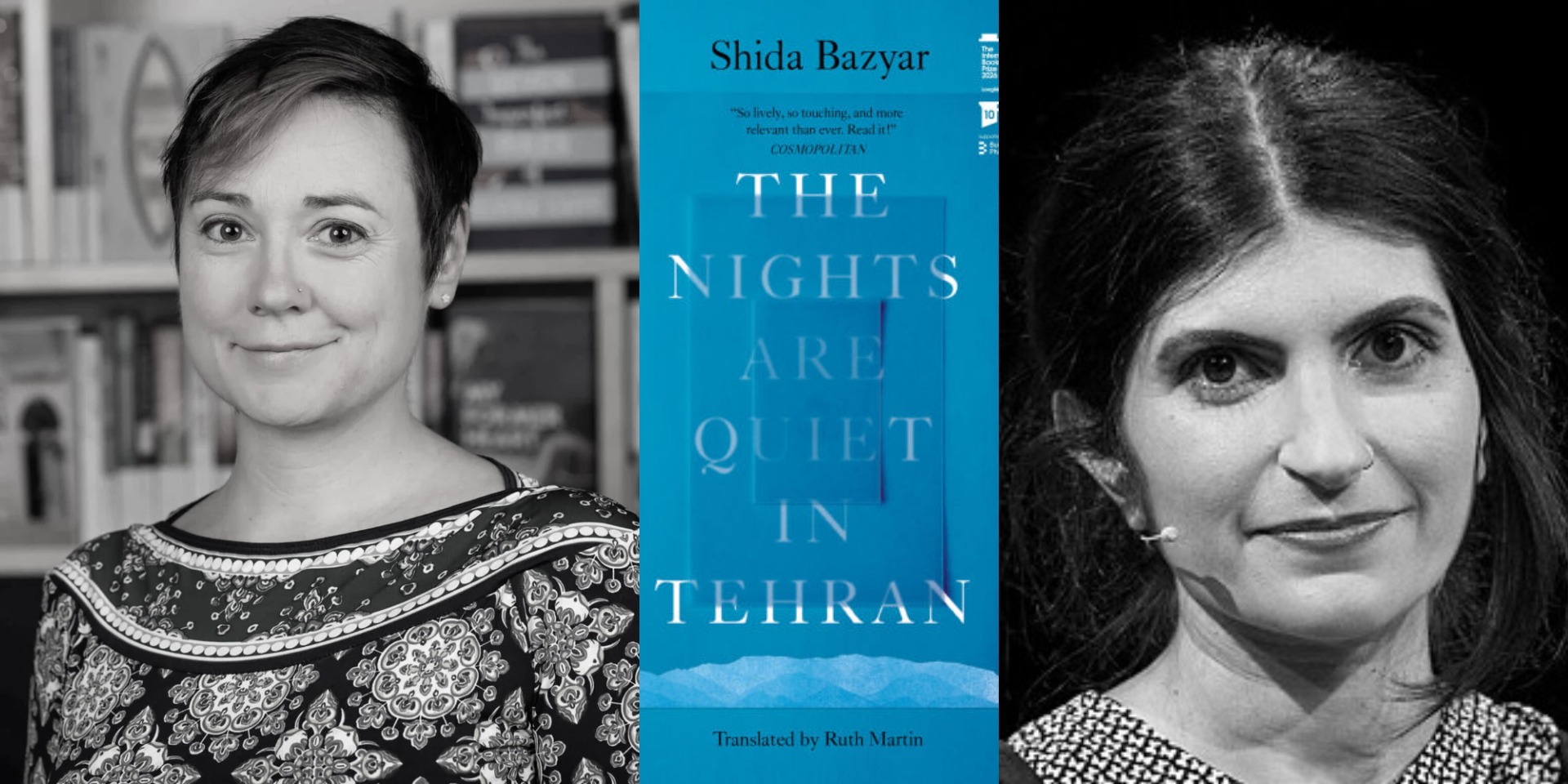
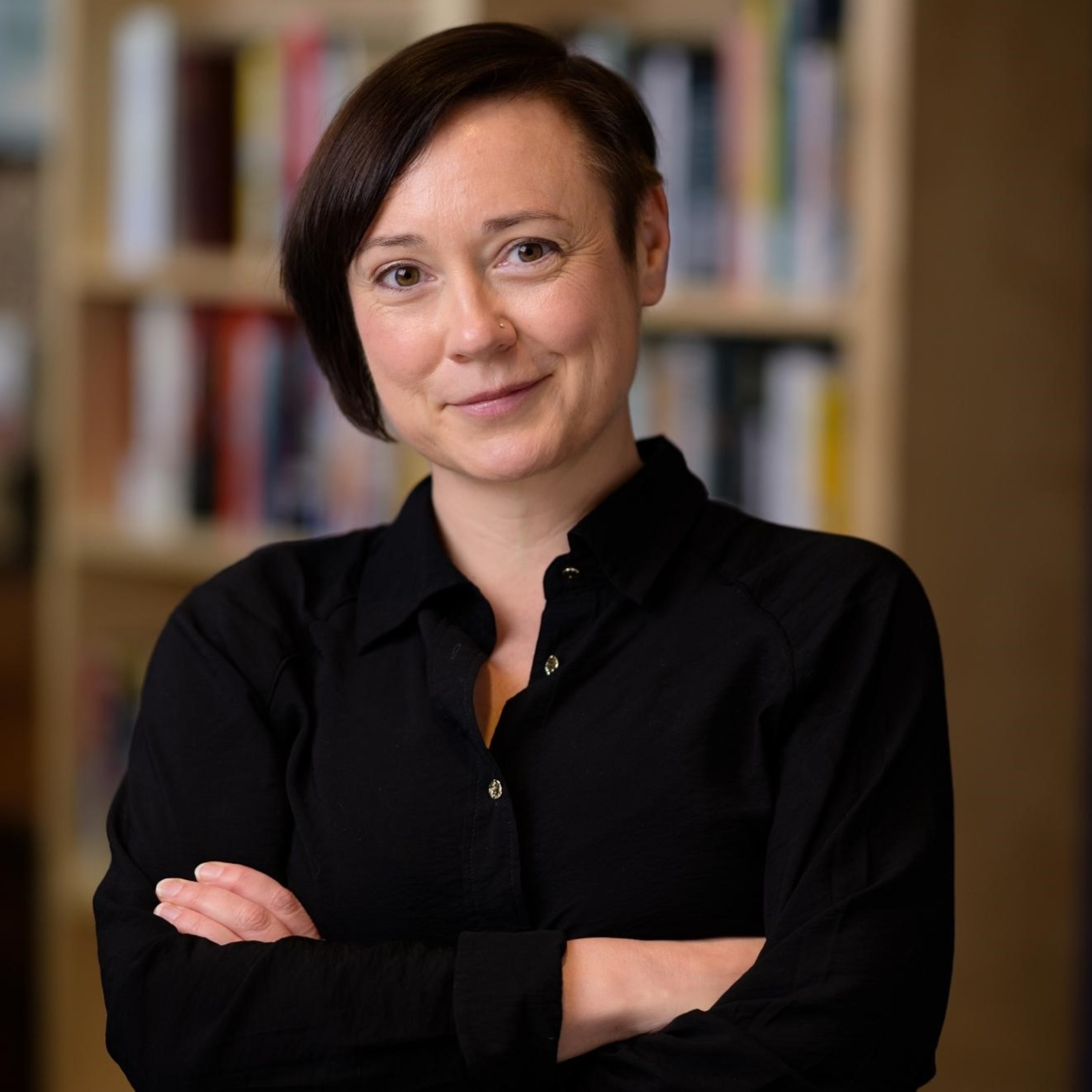
In the latest installment of the Harshaneeyam podcast, we delve into the intricate world of literary translation with Ruth Martin, a distinguished translator whose work spans the breadth of German thought and fiction. With a PhD in German literature and over a decade of experience, Martin has brought the voices of monumental authors like Joseph Roth and Hannah Arendt into the English language. Today, we focus on her recent achievement: the translation of Shida Bazyar’s powerful family saga, Nachts ist es leise in Teheran (translated as The Nights Are Quiet in Tehran), which has been recognized on the 2026 International Booker Prize longlist.
A Journey Born of Curiosity
Ruth Martin’s path to becoming a bridge between cultures began in the geographically and culturally isolated landscapes of Cornwall in the 1980s and 90s. Growing up in an area with little linguistic diversity, her pursuit of German was driven by a fundamental desire to understand the "other". This academic journey evolved into a professional calling where she now serves as a vital advocate for the translation community, having previously co-chaired the Society of Authors' Translators Association.
For Martin, translation is far more than a linguistic exchange; it is a performance akin to that of a musician interpreting a score. She believes that even those who do not speak the source language should be able to "hear" the inherent music, rhythm, and poetry of the original text through her English rendering.
The Nights Are Quiet in Tehran: A Multi-Generational Odyssey
Shida Bazyar’s novel is a sweeping, polyphonic narrative that tracks four decades of Iranian history and the subsequent immigrant experience in Germany. The story moves through critical historical junctions:
1979: The fervor and eventual heartbreak of the Iranian Revolution.
The 1980s and 90s: The challenges of building a new life in Germany while maintaining a connection to a distant homeland.
2009: The echoes of the Green Movement protests and the complex identity of the second generation.
Martin describes the novel as "polyphonic" because it utilizes distinct voices from different family members to tell this story. Each character brings a unique perspective on revolution, loss, and the shifting meaning of "home".
The Challenge of the "Second-Hand" Culture
One of the most striking aspects of the novel—and the greatest challenge for Martin—is its linguistic texture. Although the book is written in German, it often feels as though it has been "translated from Persian". Bazyar deliberately weaves Persian metaphors and rhythmic structures into the German prose, creating a hybrid language that reflects the characters' dual identities.
Martin explains that the prose evolves as the family assimilates. The parents’ sections are steeped in the imagery and revolutionary vocabulary of their youth in Tehran, whereas the children’s sections adopt the sharp, contemporary cadence of modern German-Iranian life. Capturing this "evolution of voice" required Martin to be deeply sensitive to the subtext of the German original, ensuring that the Persian "echo" remained audible in English.
Translation as Political Witness
Given the current climate of protest and the ongoing struggle for freedom in Iran, the novel takes on a profound contemporary resonance. Martin reflects on the characters' likely reactions to modern events, suggesting they would feel a mixture of "numb horror" at the violence and "immense pride" in the courage shown by those currently in the streets.
The novel functions not just as a piece of fiction, but as a document of resilience. By translating this work, Martin ensures that the personal costs of revolution and exile are communicated to a global audience, bridging the gap between historical data and lived human experience.
The Archive Grows: A Global Perspective
The conversation with Ruth Martin is part of a larger mission at Harshaneeyam to document the work of those who shape contemporary world literature. This mission is mirrored in our discussions with other influential translators, such as:
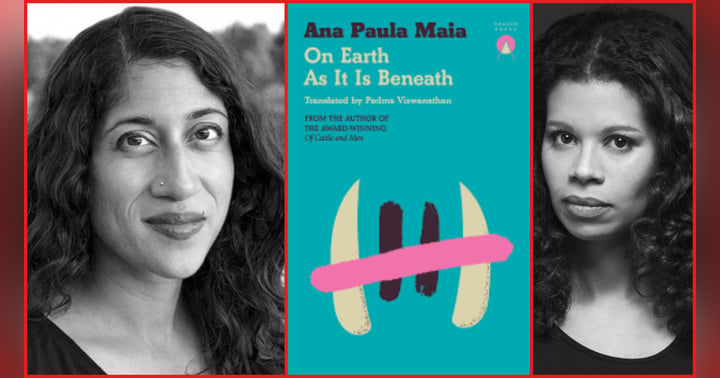
Padma Viswanathan: Who translates the gritty, McCarthy-esque Brazilian landscapes of Ana Paula Maia.
David McKay: Who meticulously researches early 20th-century history to translate Anjet Daanje’s Dutch epics.
These translators share a common thread: a dedication to research, a respect for the author's unique rhythm, and a belief that translation is a high art form that requires "laying claim" to a landscape or a voice to render it truthfully.
Conclusion: The Music of the Text
To conclude the episode, Ruth Martin shared a reading from the beginning of the novel, first in German and then in English. The passage, which speaks of a family's complicated love for their country despite being pushed into exile, serves as a testament to her philosophy: translation is about preserving the "poetry and the rhythm" of human emotion across borders.
To listen to the full interview and experience the rhythmic beauty of Ruth Martin's translation, tune in to the Harshaneeyam Podcast.
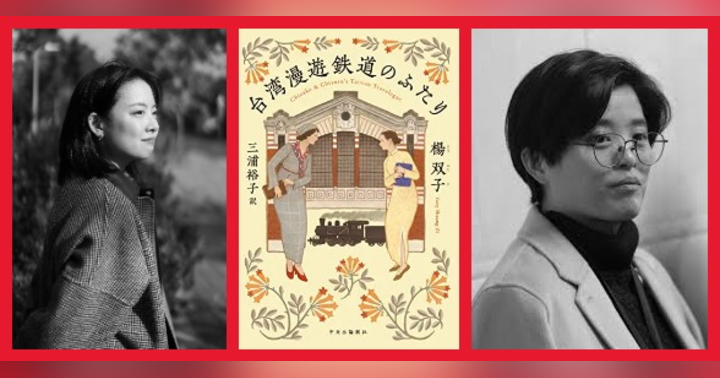
Lin King on 'Taiwanese Travelogue'.