David Mckay on Translating 'The Remembered Soldier'
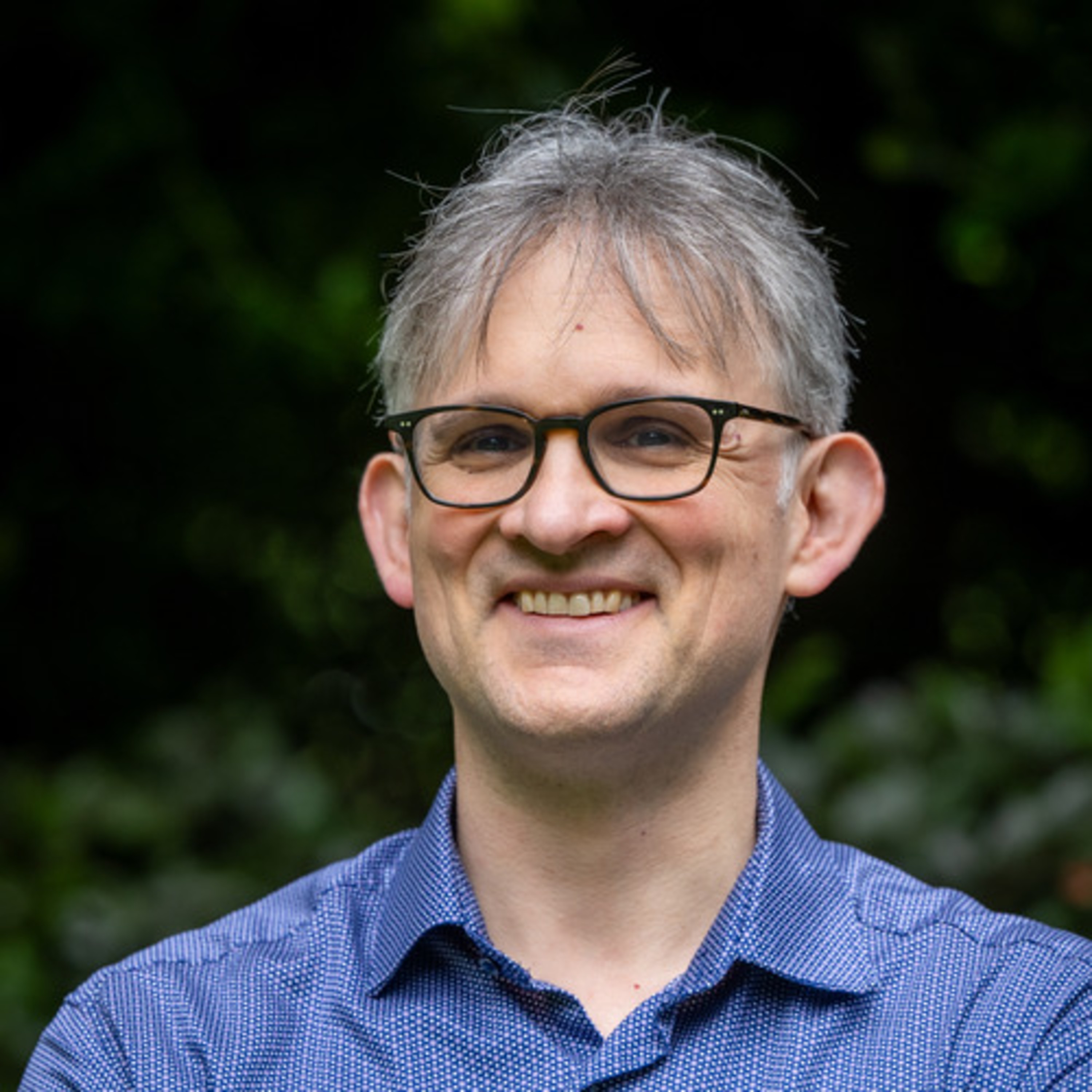
In the quiet, meticulous world of literary translation, David McKay stands as a bridge between the intricate landscapes of Dutch literature and the global English-speaking audience. A recent episode of the Harshaneeyam podcast featured an in-depth conversation with McKay, an award-winning translator whose work has brought some of the most profound Dutch voices to the international stage.
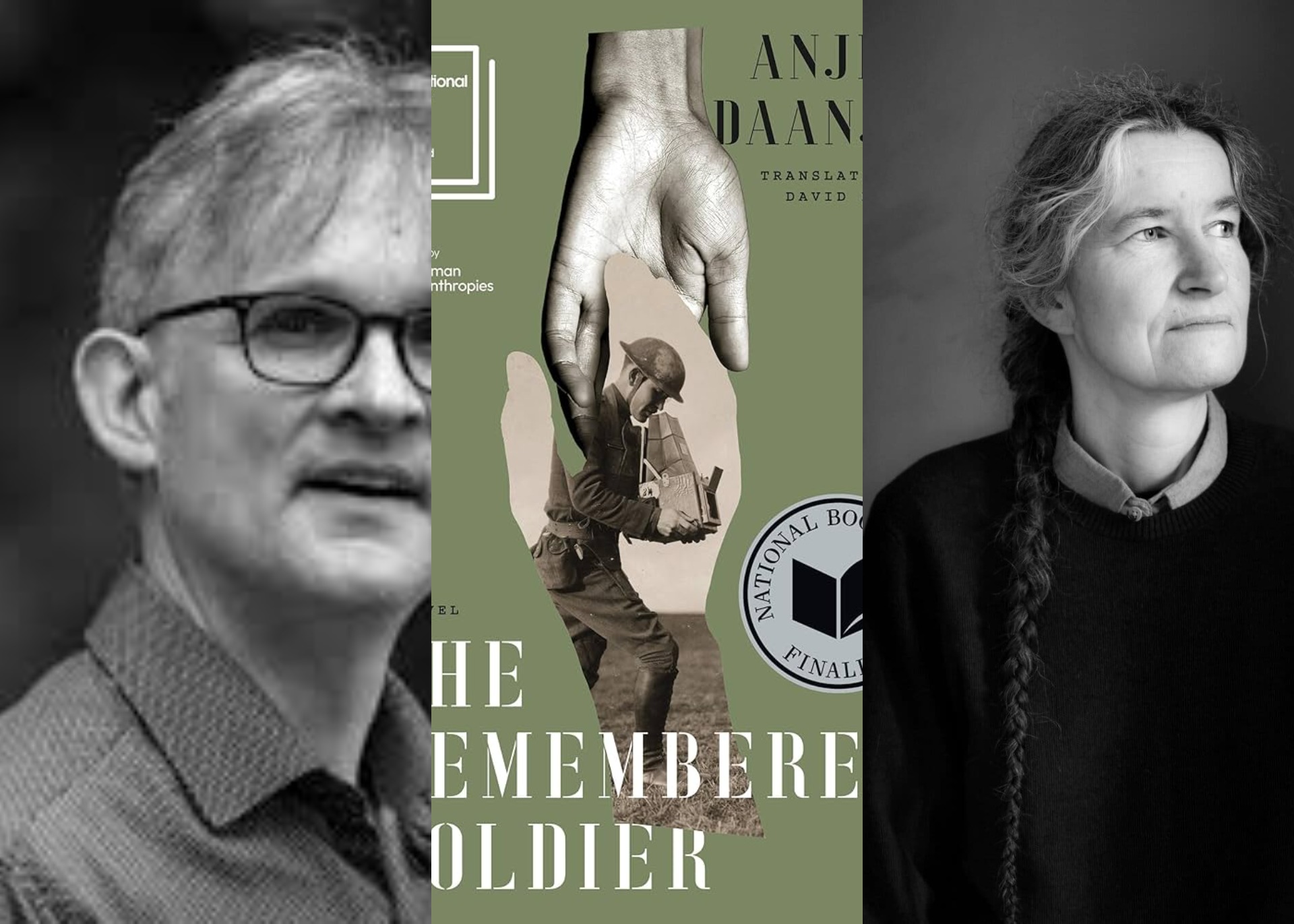
Perhaps most notably, McKay is the translator of Anjet Daanje’s monumental novel, The Remembered Soldier, which has secured a prestigious spot on the 2026 International Booker Prize longlist.
A Life Shaped by Language
McKay’s journey into translation was not a direct one, but it was paved by early experiences that opened his mind to the multiplicity of human perspectives. Born and educated in the United States, his father’s career as a philosophy professor took the family to Italy for a year when David was just seven.
Placed in an Italian school, he experienced being the "outsider"—a healthy disorientation that he believes is foundational for a translator. "It made me very aware of there being many languages and many perspectives in the world," McKay reflects.
While he initially pursued an academic path in linguistics, the pull of the practical and the "making of things" eventually led him away from a PhD and toward the Netherlands in 1997. His training ground was as rigorous as it gets: a full-time position in the Dutch government's translation department. From legislation to speeches, McKay learned to navigate every register of the language, eventually transitioning into the world of art books, museums, and ultimately, high-stakes literary fiction.
The Monumental Challenge of The Remembered Soldier
The centerpiece of McKay's recent work is The Remembered Soldier, a 700-page epic that begins in a psychiatric asylum in Ghent shortly after the First World War. The story follows a soldier found with total amnesia, "unable to remember his own name or identity". When a woman named Akke identifies him as her missing husband, Amand, he is thrust back into a life that feels entirely foreign.
McKay was captivated by the novel from its very first paragraph. He describes Anjet Daanje’s prose as having a "propulsive forward quality," characterized by:
Long, rhythmic run-on sentences.
Simple conjunctions that connect continuous thought.
A structural reflection of the protagonist's mental state.
"It reflects his own inability to make a larger sense of the world than what's happening from moment to moment," McKay explains.
Research as a Form of "Laying Claim"
To capture the physical and psychological space of the novel, McKay’s translation process involved an extraordinary level of research. While the author, Daanje, famously avoids visiting her settings to preserve the "picture in her head," McKay took a different approach.
Field Research: He visited the asylum in Ghent and the town of Kortrijk, where much of the action occurs, to internalize the "scale" of the character's movements.
Technical Accuracy: He studied early 20th-century photography manuals and watched videos of vintage machine guns being fired to ensure every "button, dial, or switch" was accurate.
"Walking around a place is really a kind of way of laying claim to it," he notes, emphasizing how this physical grounding informs the clarity of the translated prose.
The Philosophy of "Open Book"
McKay operates his freelance business under the name Open Book Translation. The name is a personal reminder of his commitment to transparency and openness in his collaborations.
While he works primarily alone, he frequently collaborates with other translators, such as Lucy Scott, whom he mentored on the translation of Astrid Roemer’s On a Woman’s Madness. His recent work also includes co-translating Roemer’s Off-White, a family saga set in 1960s Suriname that explores shifting social norms and cultural diversity.
Looking Ahead
The future remains busy for McKay. He is currently working on a sensory-focused non-fiction book about the history of the Antwerp Cathedral, exploring the sounds, smells, and tactile experiences of the 15th-century structure.
Following this, he will return to the world of Anjet Daanje to translate her next novel, The Song of Stork and Dromedary—an 11-chapter story inspired by the lives and poetry of the Brontë family.
As the literary world looks toward the May 20th announcement of the International Booker Prize winner, McKay’s work stands as a testament to the power of translation to bridge the gap between the "outsider" and the "normal". Through his meticulous attention to rhythm and research, David McKay ensures that the silent voices of history find a resonant home in English.
For more literary discussions and interviews with world-class translators, tune in to the Harshaneeyam Podcast.
Would you like me to draft a brief social media summary to promote this post on Twitter or LinkedIn?
Lin King on 'Taiwanese Travelogue'.